Source Moisturizing Avocado Hair Removal Cream for Home, Salon, and Travel
Find 30 moisturizing avocado hair removal cream options from China. Compare OEM/ODM services, certifications like ISO 22716, and packaging details for personal care sourcing needs. Evaluate lead times, MOQs, and custom label services to streamline your procurement process effectively.
Key considerations
Products List


Comprehensive Sourcing Guide
Moisturizing Avocado Hair Removal Cream Sourcing Guide
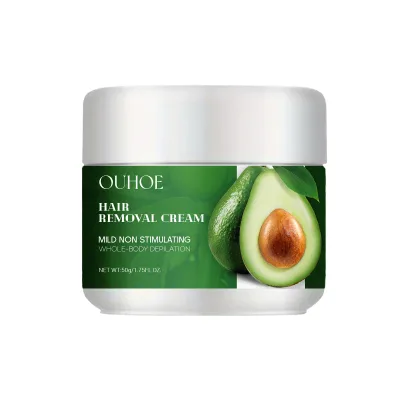
Procurement teams must first distinguish between generic depilation sprays and specialized formulations designed for sensitive skin, as the market contains diverse product types ranging from simple shaving creams to multi-function beauty equipment. The observed listings reveal a specific product profile featuring avocado-based ingredients, yet buyers must verify if the "moisturizing" claim is supported by specific key ingredients like Aloe Vera, Vitamin E, and Squalane rather than relying on generic marketing terms. This distinction is critical because the presence of these specific botanical extracts directly impacts the product's ability to soothe skin while removing hair, a requirement for high-end personal health care lines.
Buyers should also scrutinize the product form and target concerns to ensure alignment with their brand positioning, as some listings describe the item as a "Hair Removal Spray" while others specify a "Cream" or "Shaving Cream" consistency. The observed data indicates a focus on curly hair and all skin types, suggesting a need for a formulation that prevents irritation during the removal process. Verifying the exact texture and application method is essential before committing to a bulk order, as the physical form dictates the user experience and the efficacy of the moisturizing agents in stopping hair growth effectively.
Product Scope and Observed Listing Signals
The current market signals indicate a wide variance in product attributes, with observed listings ranging from small 40g units to larger 1000ml containers, requiring buyers to clearly define their volume requirements before engaging suppliers. While some entries highlight a specific model number like "Depilation 124" with a compact size of 5.2*4.3cm, others list significantly larger packaging standards, creating confusion about the actual unit size and gross weight. Procurement teams must cross-reference the single package dimensions, such as the 12.3X9.4X3 cm observation, against their logistics constraints to avoid unexpected shipping costs or storage issues.
It is equally important to analyze the selling units and packaging types, as the data shows a mix of color boxes and cartons with varying quantities per carton, such as 48 units per case. The presence of "Hot Saling" keywords suggests high demand, but buyers must verify if this refers to a specific seasonal trend or a permanent product category to avoid overstocking. Understanding the distinction between single-item selling units and bulk carton configurations is vital for calculating the true cost per unit and ensuring the supply chain can handle the specific packaging requirements of the target market.
Technical Specifications to Verify
Technical verification must begin with the physical dimensions and weight of the product, as observed specifications vary from a 50g net weight to a 2.0 kg single gross weight depending on the packaging configuration. Buyers need to confirm whether the 5.2*4.3cm dimension refers to the product itself or the retail box, as this impacts shelf space and display requirements in retail environments. Ensuring the correct weight and size data is accurate is fundamental for calculating freight costs and determining the feasibility of the product for specific distribution channels.
The formulation details require strict attention to the listed key ingredients and shelf life, which are observed to be three years for some units but must be validated for the specific batch ordered. The presence of moisturizing agents like Squalane and Vitamin E should be confirmed against the product's intended use for curly hair and all skin types to ensure the formula meets safety and efficacy standards. Additionally, verifying the model number and product type, whether labeled as a cream, spray, or treatment, ensures that the technical specifications align with the buyer's quality control protocols and consumer expectations.
Compliance and Safety Documentation
Regulatory compliance is a primary concern, as the observed listings cite certifications such as ISO 22716, FDA, SGS, GMPC, and Sedex, which are essential for entering regulated markets. Buyers must request current, valid certificates for each specific product model to ensure that the manufacturer maintains these standards consistently across all production batches. The presence of these certifications indicates a commitment to quality management and safety, but they must be verified against the specific jurisdiction where the product will be sold to avoid legal complications.
Safety documentation should also include detailed ingredient lists and test results that confirm the product is suitable for the claimed target concerns, such as stopping hair growth and moisturizing. The observed data mentions a two-year or three-year warranty, which implies a level of manufacturer confidence, but this must be backed by concrete quality assurance data rather than just a marketing claim. Procurement teams should ensure that the supplier provides comprehensive safety data sheets and proof of compliance with local cosmetic regulations to mitigate the risk of product recalls or regulatory penalties.
Cost Drivers and Commercial Terms
Commercial terms are heavily influenced by the observed Minimum Order Quantity (MOQ) ranges, which vary significantly from as low as 3 pieces to as high as 10,000 pieces depending on the supplier and customization level. Buyers must negotiate these thresholds carefully, as higher MOQs often correlate with lower unit prices but increase the financial risk of holding inventory. Understanding the specific MOQ for customized labels and OEM services is crucial, as the data indicates that customization is available but may require a higher volume commitment to be economically viable.
Lead times and sample availability are also critical cost drivers, with observed sample lead times of 3-5 days and production lead times ranging from 14 to 21 days. These timelines must be factored into the overall procurement schedule to ensure timely market entry, especially for products with a limited shelf life or seasonal demand. Buyers should clarify whether the lead time includes the time for custom design and packaging approval, as the service offerings include custom formula, design, and shooting, which can extend the production cycle if not managed efficiently.
Supplier Qualification and Quality Control
Supplier qualification requires a thorough assessment of their manufacturing capabilities, particularly their ability to handle OEM and ODM services for custom labels and formulas. The observed data confirms that customization is available, but buyers must verify the supplier's capacity to maintain consistent quality across different batches, especially when dealing with complex formulations involving multiple active ingredients. A robust quality control system is essential to ensure that the final product meets the specified standards for weight, size, and ingredient concentration.
Quality control protocols should also include regular audits of the production facility to verify adherence to the cited certifications like ISO 22716 and GMPC. Buyers should request detailed quality assurance reports that cover the entire production process, from raw material sourcing to final packaging. Ensuring that the supplier has a proven track record of delivering products that meet the specific requirements for personal health care and hair removal is vital for maintaining brand reputation and customer satisfaction in a competitive market.
Long-Term Procurement Checks
Long-term procurement success depends on establishing a reliable supply chain that can adapt to changing market demands and regulatory requirements over time. Buyers should implement a system for regular performance reviews of the supplier, focusing on their ability to meet lead times, maintain quality standards, and provide responsive customer service. The observed data suggests a dynamic market with various product models, so maintaining a flexible relationship with the supplier is key to navigating future product iterations or new formulations.
Continuous monitoring of the product's shelf life and warranty terms is also necessary to ensure that the supply chain remains efficient and that inventory does not expire before sale. Buyers should verify that the supplier can provide updated documentation for any changes in certifications or standards, as the regulatory landscape for cosmetic products is constantly evolving. By maintaining a proactive approach to supplier management, procurement teams can ensure a steady flow of high-quality moisturizing avocado hair removal creams that meet the evolving needs of their customers.
FAQs
What certifications does the moisturizing avocado hair removal cream have?
The product holds ISO 22716, FDA, SGS, GMPC, and Sedex certifications. These credentials ensure compliance with international safety and quality standards for personal care items. Buyers can verify these documents to confirm regulatory adherence for their target markets.
Can I customize the label and packaging for this hair removal cream?
Yes, OEM and ODM services are acceptable for customized labels and packaging. The supplier offers design and shooting services alongside custom formulas. This flexibility allows brands to create unique product identities while leveraging established manufacturing capabilities for personal health care items.
What is the minimum order quantity for this moisturizing cream?
The minimum order quantity varies, with some listings starting at three pieces and others requiring at least one thousand units. This range accommodates both sample testing and bulk procurement needs. Buyers should confirm specific MOQ requirements with the supplier based on their order volume.
What are the key ingredients in this avocado hair removal cream?
Key ingredients include Aloe Vera, Vitamin E, and Squalane. These components provide moisturizing benefits while targeting hair removal and stopping hair growth. The formula is designed for all skin types, ensuring gentle yet effective results for personal health care routines.
Where is this hair removal cream manufactured and what is the lead time?
The product originates from Guangdong, China, with a sample lead time of three to five days. Bulk production typically takes fourteen to twenty-one days. This timeline supports efficient sourcing planning for international buyers seeking reliable supply chains for personal care products.
What is the shelf life and warranty for this moisturizing cream?
The product has a shelf life of three years and offers a warranty of two to three years. This duration ensures product stability and customer satisfaction. Buyers can rely on these guarantees for inventory management and after-sales support when sourcing personal health care items.